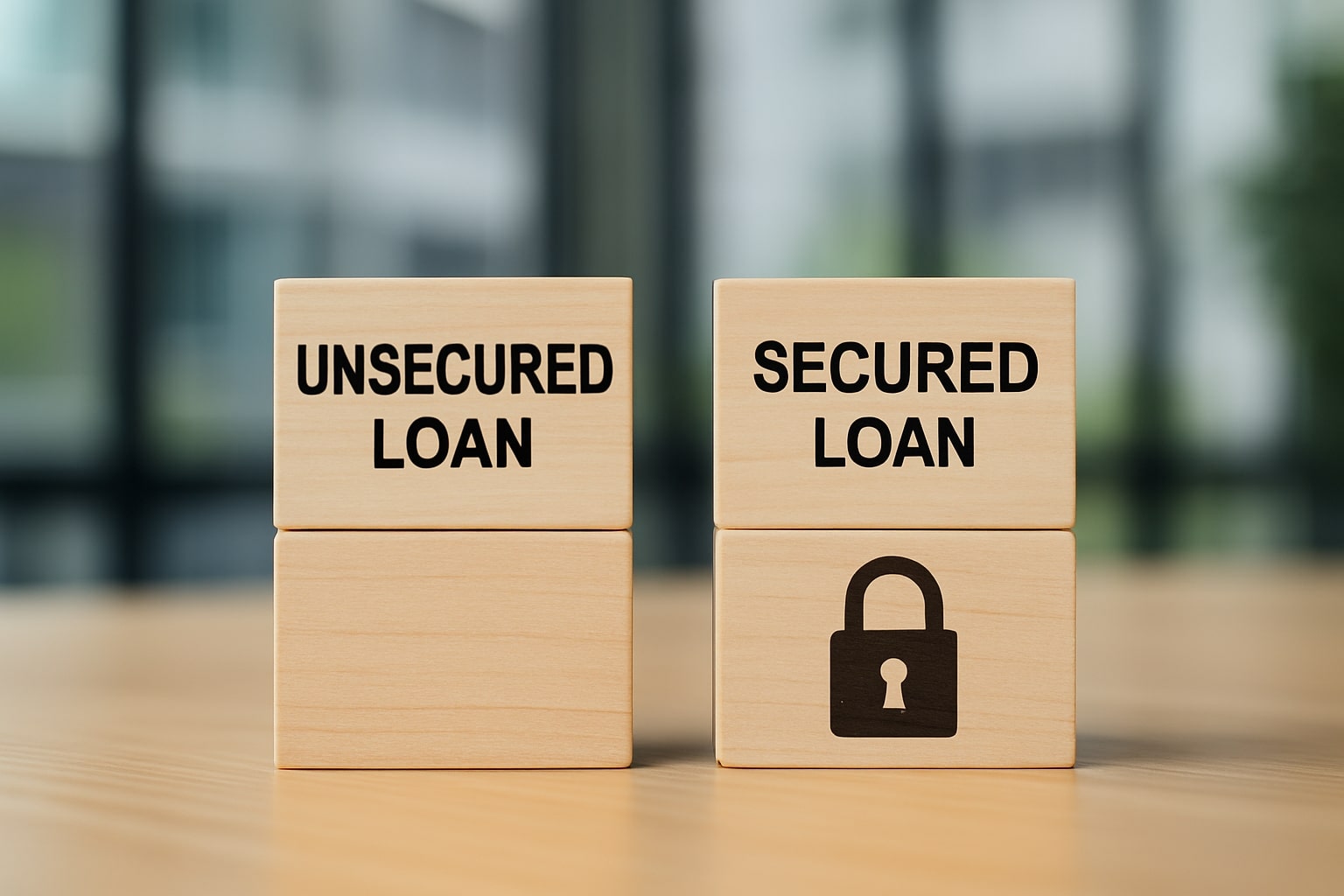
Whether you’re looking to expand, cover operational expenses, or invest in new technology, business loans can help you find the necessary funding for your business. Understanding the types of loans available can help you make an informed decision. Among the most common types of business loans in Australia are secured and unsecured loans.
This blog examines the differences between secured and unsecured loans and which one may be the most suitable for your business needs.
Understanding Business Loans in Australia
A business loan is designed to help business owners secure funds to fuel their operations and growth. In today’s digital age, many lenders offer online business loans in Australia, providing a convenient way for business owners to apply for funding.
Whether you are looking for a short-term cash boost or long-term financing, business loans online can help you access a range of loan products that could be perfect for your business.
What is a Secured Business Loan?
A secured business loan requires you to offer collateral to the lender. This means that if your business is unable to repay the loan, the lender has the right to seize the collateral to recover their funds.
How It Works:
When you apply for a secured business loan, you will need to provide a valuable asset, such as real estate, equipment, or other business assets, as collateral. The value of the asset will typically determine the size of the loan you can access. The lender will hold a legal claim over the asset until the loan is fully repaid.
Features of Secured Loans:
- Collateral Required: A secured loan always requires some form of collateral to back the loan.
- Lower Interest Rates: Since the loan is secured with an asset, lenders usually offer lower interest rates compared to unsecured loans.
- Higher Loan Amounts: Secured loans often come with the advantage of larger loan amounts, as the lender has added security in the form of collateral.
Pros:
- Lower Interest Rates: The presence of collateral reduces the lender’s risk, resulting in lower interest rates.
- Larger Loan Amounts: Secured loans allow you to borrow more, especially if you have valuable assets to pledge.
- Better Terms: As the lender has more security, the loan terms may be more flexible, with longer repayment periods.
Cons:
- Risk to Assets: If you fail to repay the loan, the lender can seize the collateral, which could include your property or other business assets.
- Longer Approval Process: Since collateral needs to be assessed, approval for secured loans can take longer than unsecured loans.
- Complicated Process: The process of securing a loan and valuing the collateral can be more time-consuming.
What is an Unsecured Business Loan?
An unsecured business loan, on the other hand, doesn’t require any collateral. Instead, lenders rely on your business’s financial history, creditworthiness, and future projections to determine your eligibility.
How It Works:
With unsecured business loans, you apply for funding without having to provide any assets as collateral. Lenders will assess your business’s ability to repay the loan by considering factors such as your revenue, cash flow, credit score, and overall financial health. Approval is generally quicker, and once approved, the loan is disbursed without the need for asset evaluation.
Features of Unsecured Loans:
- No Collateral Required: Unlike secured loans, no assets need to be pledged.
- Faster Approval: Due to the lack of collateral, unsecured loans typically have a faster approval process.
- Lower Loan Amounts: Since there’s no collateral to secure the loan, the amount you can borrow is usually lower.
Pros:
- No Risk to Assets: The biggest advantage is that you won’t risk losing your assets, such as property or inventory.
- Quick Approval: As the application process doesn’t require collateral assessment, approval times are generally much faster.
- Less Complicated: The application process is simpler and less time-consuming, as it doesn’t involve asset valuation or lengthy paperwork.
Cons:
- Higher Interest Rates: Since unsecured loans pose a greater risk to lenders, they typically carry higher interest rates.
- Smaller Loan Amounts: Without collateral, the loan amounts tend to be smaller, limiting the potential financing for your business.
- Strict Eligibility Criteria: Lenders may require higher credit scores and solid financial records to approve unsecured loans.
Key Differences Between Secured and Unsecured Loans
To help you decide which loan type is right for your business, let’s compare the key differences between secured and unsecured business loans.
Collateral Required
- Secured Loans: Require collateral (e.g., real estate, equipment).
- Unsecured Loans: No collateral required.
Approval Time
- Secured Loans: Approval can take longer due to the need for collateral valuation and additional paperwork.
- Unsecured Loans: Generally approved much faster, as there’s no collateral to assess.
Interest Rate
- Secured Loans: Lower interest rates due to reduced lender risk.
- Unsecured Loans: Higher interest rates as the lender assumes more risk.
Loan Amount
- Secured Loans: Typically offer larger loan amounts, often based on the value of the collateral.
- Unsecured Loans: Offer smaller loan amounts, as there’s no asset backing the loan.
Risk to Business Assets
- Secured Loans: If the loan isn’t repaid, the lender can seize the collateral, which could include vital business assets.
- Unsecured Loans: No risk to assets, but failing to repay may harm your business credit rating.
Which Loan is Right for Your Business?
The choice between a secured and unsecured loan depends on various factors, including the financial health of your business, the size of the loan required, and your risk appetite.
If your business has valuable assets that you’re willing to pledge, and you need a large loan, a secured loan might be the right choice. However, if you prefer to avoid the risk of losing assets and need a smaller, more flexible loan, an unsecured loan could be more suitable.
Tips for Choosing the Right Loan
- Assess Your Business’s Financial Health: Understand your cash flow, credit score, and overall financial standing to determine which type of loan your business qualifies for.
- Consider the Loan Amount and Interest Rates: If you require a larger loan and can offer collateral, a secured loan may offer more favourable terms. For smaller loans, an unsecured loan may be a more suitable option.
- Consider Repayment Terms: Clearly outline the repayment terms, including interest rates, monthly payments, and any potential penalties for late or missed payments.
- Research Online Lenders: Many online platforms now offer business loans, making it easier than ever to apply for a business loan from the comfort of your office.
Final Thoughts
When seeking online funding for businesses, choosing between a secured and unsecured business loan is a crucial decision. It is essential to understand the key differences, including collateral requirements, approval times, and interest rates, to make the right choice.
FundSpot offers quick and easy business loans tailored to meet your specific needs. Call 1300 161 212 to discuss how we can help you.
The information provided in this blog is intended for general guidance only and does not constitute financial, legal, or professional advice. You should consult a qualified financial advisor or lending specialist before making any decisions regarding business loans. FundSpot and the author make no guarantees about loan approval or specific financial outcomes based on the content herein.